

Responsive Web Design Fundamentals
Learn how to create websites that work beautifully on phones, tablets, and desktops. Master the responsive design principles that modern web design demands.
Explore CourseCreate a portfolio website that actually gets you noticed. We’ll walk through showcasing your work, telling your story, and making a killer first impression.
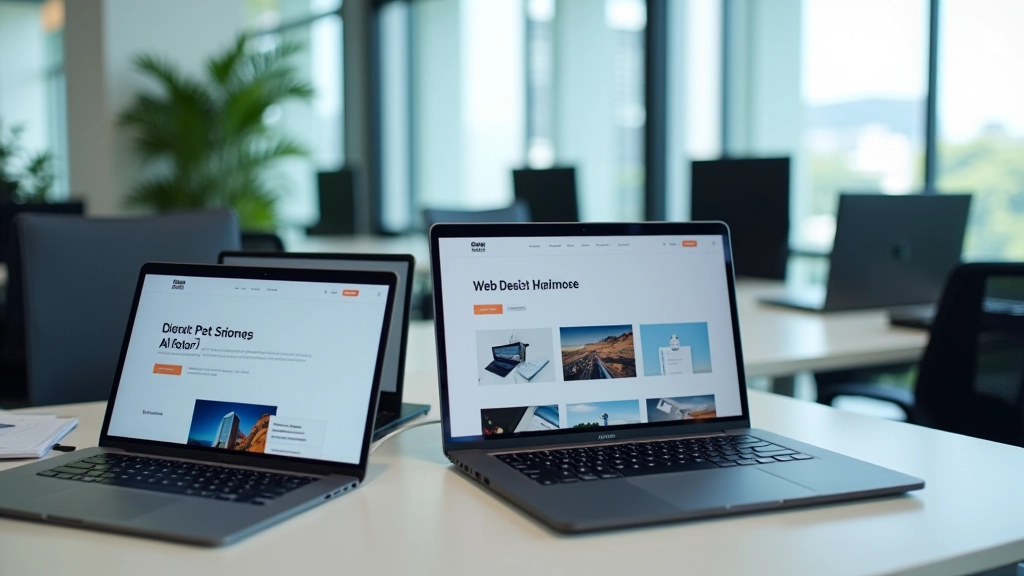
Your portfolio is your visual resume. It’s where potential clients and employers get to see what you actually create — not just what you claim to create. That’s why we’re spending time on this. It’s not vanity. It’s strategy.
We’ve worked with over 450 students building portfolios from scratch. The ones that stand out? They’re not the fanciest. They’re the ones that tell a clear story. You’ll see what that looks like in the next 8 weeks.

Let’s cut through the noise. You don’t need 15 pages. You don’t need animations that take 5 seconds to load. You don’t need a custom CMS or backend infrastructure. What you need is clarity.
Most designers overthink this. They want their portfolio to be a masterpiece of design complexity. But hiring managers spend 30 seconds on your site. Make those 30 seconds count. Clean navigation, readable type, images that actually show your work.

Your portfolio results depend on many factors: your actual design skills, the quality of projects you showcase, how actively you market it, and current market conditions. We’re teaching you best practices based on what works for most designers. Your individual results may differ.

Every project on your portfolio needs context. Not just the final design — the story behind it. What was the problem? What constraints did you have? What was your approach? This is what separates a portfolio from a design gallery.
For each project, you’ll want 3-4 high-quality images that show progression. The process matters more than perfection. Show sketches, wireframes, then the final product. People want to understand how you think, not just admire the result.
Each project needs: problem statement, your solution approach, key features, and measurable results if possible. Even if you’re early in your career, show client feedback or usability improvements. Real context beats polish every time.
Learn how to create websites that work beautifully on phones, tablets, and desktops. Master the responsive design principles that modern web design demands.
Explore Course
Understand the principles that make interfaces intuitive and beautiful. We’ll cover color theory, typography, spacing, and creating designs that users actually enjoy.
Explore Course
Bring your designs to life with micro-interactions and animations. Learn what makes interactions feel natural and how to implement them effectively.
Explore Course
You’ve got the framework. You know what actually matters — telling your story, showing your process, making it easy for people to understand your work. The rest is execution.
This 8-week course walks you through everything. From choosing a platform (we’ll cover why we recommend what we do) to photographing your work properly to writing case studies that actually sell. We’ll review your portfolio as you build it. You’ll get feedback. You’ll iterate.
By week 8, you’ll have a portfolio you’re proud to show anyone. And that changes things. Opportunities come from being visible. Your portfolio is how you become visible.